


The Glorious Cookbook of the Terezín Concentration Camp
Wilhelmina Pachter's triumphant legacy.
I wrote the following story last year for Yom Kippur and am sending it out again to celebrate today and as a reminder of who was lost when the world went to hell only 83 years ago. It’s slightly changed and with a new recipe.
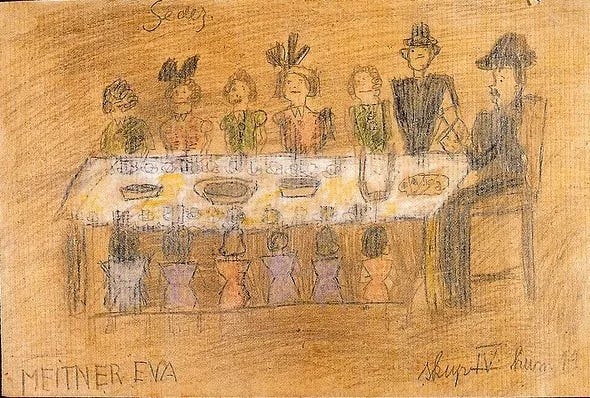
It may seem strange to commemorate Yom Kippur by talking about food. But this is also the holiday when Wilhelmina (Mina) Pachter died in 1944 at Terezín, a Nazi concentration camp in Czechoslovakia. She was 72 years old. Before she died, she handed a manuscript of a cookbook to a friend who somehow survived the camp. Several pages long and carefully bound by thread, the book represented the collective memories of Mina and other women who countered their starvation and hardships by sharing recipes they once made for their family and friends. She wanted her friend to give it to her daughter, Anny Stern, who immigrated with her family to Palestine shortly after the German Army seized Czechoslovakia. The cookbook would be a link to the life she wanted her daughter to remember, the one the camp failed to extinguish.
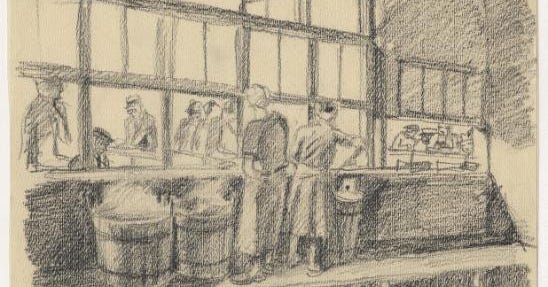
For years Mina’s friend tried to track Anny down but, without an address and with no means to travel to the Middle East, all he could do was harbor the cookbook. Then, in 1960, he entrusted it to an Israel-bound cousin but by then Anny had moved to America to be closer to her son. Once more Mina’s cookbook passed onto a stranger’s hands. It traveled over the ocean and across several states, always tended by unknown hands. Eventually, it arrived in Manhattan where, at a casual social gathering of Czech immigrants, someone asked if anyone knew the Sterns. Yes, someone did.
It had been over three decades since Mina hoped the cookbook would find her daughter. Finally, Anny held it in her hands, a cookbook she considered holy, the impossible presence of her mother.
Two sisters by the door, a pair/Their harmony is something rare/A love of cooking both do share/But it’s platonic, their cupboard is bare/The food they had brought no longer there.--by Mina Pachter, January 1943, written in Theresienstadt.
Cookbooks are always more than a gathering together of recipes. They are stories revealing a particular time and place. The survival of Mina’s book and its recipes is a crisscross narrative of two times, two places. The recipes recall the women’s past when they were mistresses of the family table, masters of the abundant lusciousness of 19th century European cuisine: butter, cream, goose fat, caviar, savory dumplings, puff pastry-encased pâté, plump strudels, caramelly sweets and many many celebratory cakes. At the same time, how the book’s recipes are set down reveal the women’s present existences. By the time of the book’s creation, the women’s minds and bodies were ravished by malnutrition, their strength depleted by the harsh demands of their slavery. These circumstances account for some of the confusing directions and measurements, as well as the instances when the text veers from their native Czech to the quickly learned, sometimes mangled, but safer German phrases. The composition of the frail book divulge the women’s past and their present. They are written in an elegant hand on found scraps of paper and held together by a length of strong thread that could not have been readily available anywhere in the camp. It’s possible Mina pulled it from the weave of the few clothes the women brought with them when they first entered the camp.
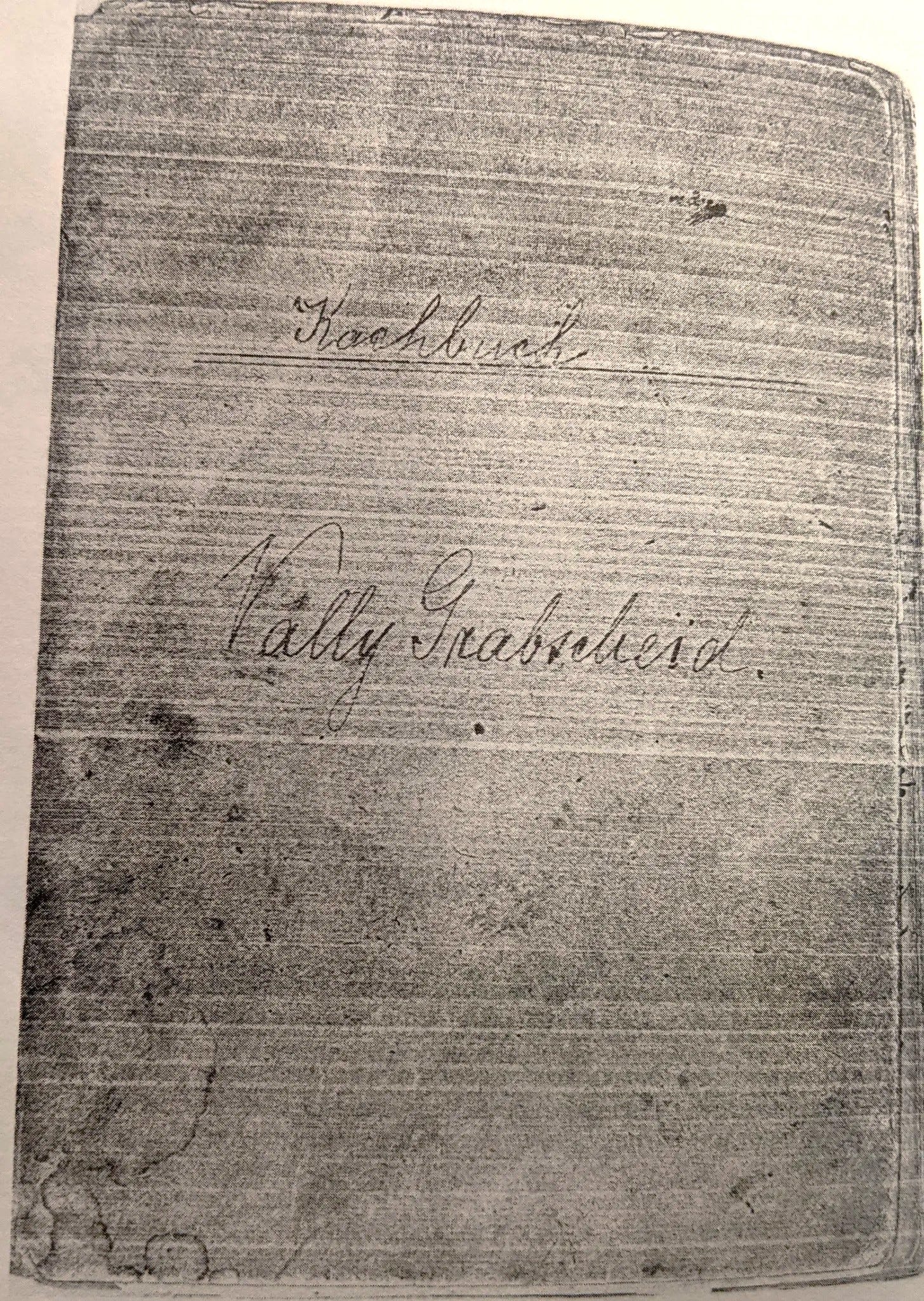
Anny Stern published Mina’s cookbook, now entitled In Memory’s Kitchen, A Legacy from the Women of Terezín, in 1996. The following recipe honors the women who survive in its pages. Mina and her friends would be thrilled to find a seat at your Yom Kippur dinner.
Pachter Cake
The recipe is given as originally written. Anny added clarifications in brackets when she published the cookbook. I tried to change the measurements into cups but I’m a math illiterate dyslexic and I’m sure you can do it better. If anyone can convert the measurements for readers, it’d be much appreciate if you send them along in the comment section!
The Recipe
15 decagrams sugar, 15 decagrams butter, 15 decagrams ground hazelnuts, 10 decagrams [blended together then add] softened chocolate or 2 tablespoons cocoa, lemon rind, 3 tablespoons strong black coffee, 2 whole eggs, 2 egg yolks are stirred vigorously for 15 minutes. Then [add] snow from the 2 [stiffly beaten] egg whites [and an added] 20 decagrams flour.
What a glorious and heartbreaking story. Thank you for sharing it.